Volatile Organic Compounds (VOCs) are a critical consideration for any modern construction project, and understanding VOC migration in buildings is paramount for ensuring long-term indoor air quality and project success. For construction teams, this means recognizing how these ubiquitous chemicals move through structures, identifying potential hotspots, and proactively integrating mitigation strategies from the ground up. By addressing VOC migration strategically, you transform a potential challenge into an opportunity to deliver healthier, more sustainable, and ultimately more valuable properties.
The Journey of VOCs: How They Migrate Through Structures
VOCs are organic chemicals with high vapor pressure at room temperature, meaning they readily evaporate into the air. While often associated with the off-gassing of building materials, VOCs can also originate from historical contamination in soil or groundwater beneath a site. Understanding their pathways—or how they migrate—is key to effective management.
Primary Pathways for VOC Migration
VOCs, whether originating from the ground or from interior materials, don’t stay put. They leverage several natural physical processes to move through building envelopes:
- Diffusion: This is the movement of VOCs from an area of higher concentration to an area of lower concentration. Think of it like a scent spreading through a room; VOC vapors will naturally try to equalize their concentration across a barrier. This can occur through porous materials like concrete, foundation cracks, or even through the molecular structure of some membranes.
- Advection (Convective Flow): This pathway involves the bulk movement of VOCs carried by air or gas flow. Pressure differentials are a major driver here. For instance, indoor air pressure is often slightly lower than soil gas pressure, creating a “stack effect” or “pumping” action that draws soil gas (and any VOCs it contains) into a building through openings, cracks, or utility penetrations. This is a highly efficient and often underestimated migration route.
- Sorption/Desorption: VOCs can be absorbed onto the surface or into the matrix of building materials (sorption) and later released (desorption). This can lead to a “reservoir effect,” where materials absorb VOCs during construction or from a contaminated source, only to release them gradually over time, prolonging indoor air quality issues.
- Capillary Action: For VOCs present in soil moisture or groundwater, capillary action can draw contaminated liquids upwards through porous foundations, introducing VOCs that then volatilize into the indoor air.
Recognizing these mechanisms enables construction teams to anticipate where VOCs might emerge and plan robust defenses.
Common Hotspots: Where VOC Migration Poses the Greatest Risk
Identifying potential VOC hotspots early in the project lifecycle is crucial for proactive planning. These areas represent common vulnerabilities where VOC migration is most likely to impact indoor air quality.
Below-Grade Vulnerabilities
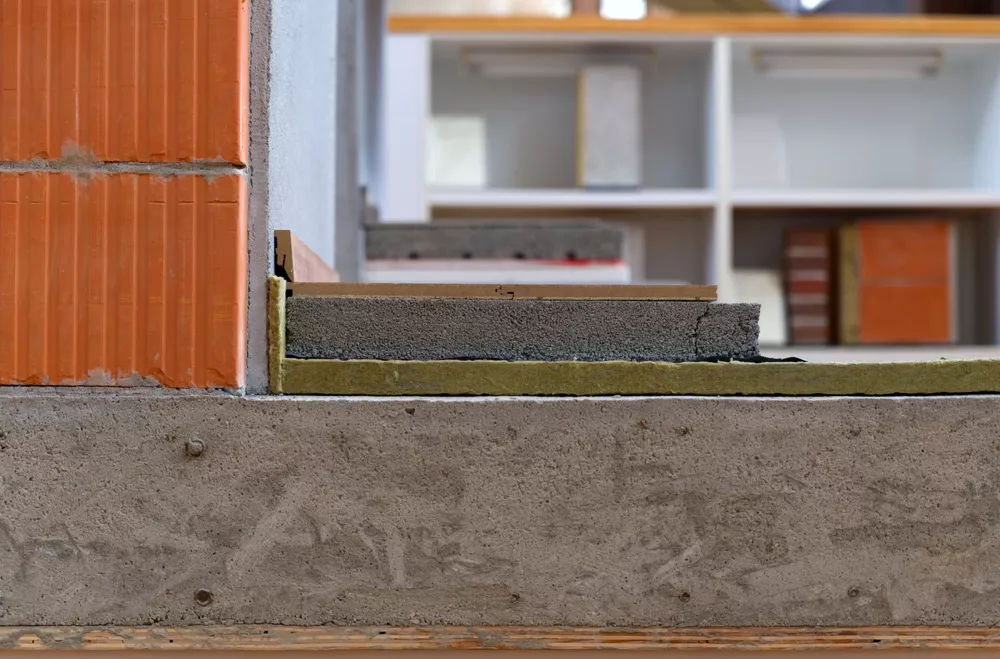
- Foundation Slabs and Walls: Concrete, while seemingly solid, is inherently porous. Cracks, construction joints, and uncontrolled penetrations (for plumbing, electrical, or utility lines) are direct conduits for soil gas containing VOCs to enter the building.
- Utility Corridors and Trenches: These subterranean pathways can act as preferential routes, channeling contaminated soil gas from one area to another and into the building envelope if not properly sealed and vented.
- Sumps and Drains: These openings can create direct pathways for VOCs from sub-slab areas or contaminated groundwater if not adequately sealed and vented.
Above-Grade and Interior Considerations
- Material Off-gassing: New building materials themselves (paints, adhesives, sealants, flooring, insulation, furniture, and even some manufactured wood products) are significant sources of VOCs. While not migration from the ground, the internal release of these compounds necessitates proper ventilation strategies and material selection.
- HVAC Systems: While designed for air circulation, poorly sealed or maintained HVAC systems can inadvertently distribute VOCs throughout a building. Additionally, return air plenums or ductwork running through contaminated areas can draw in VOC-laden air.
- Crawlspaces: Unsealed or poorly ventilated crawlspaces can accumulate soil gases and VOCs, which then migrate into the living or working spaces above.
By focusing on these hotspots during design and construction, teams can implement targeted solutions that effectively block or mitigate VOC migration.
Planning Ahead: Integrating VOC Mitigation into the Construction Lifecycle
Addressing VOC migration isn’t an afterthought; it’s an integral part of responsible development that can significantly impact project timelines, budgets, and long-term building performance. Proactive planning transforms potential delays into streamlined progress.
Early Assessment and Site Characterization
The first step is always to understand the site’s environmental history and current conditions. This involves:
- Phase I Environmental Site Assessments (ESAs): To identify potential historical contamination.
- Phase II ESAs: For subsurface investigations, including soil gas, soil, and groundwater testing, to quantify VOC levels and map their distribution.
- Vapor Intrusion Risk Assessment: A specialized assessment to determine the likelihood of VOCs migrating from the subsurface into the planned building.
These initial steps provide the data needed to make informed decisions about mitigation requirements.
Design-Phase Integration
With assessment data in hand, mitigation strategies can be integrated directly into the building design:
- Vapor Barriers/Membranes: High-performance, low-permeability membranes installed beneath slabs and along foundation walls create a physical barrier to VOC migration. Proper detailing, including overlap, sealing, and protection, is critical for effectiveness.
- Sub-Slab Depressurization (SSD) Systems: These active or passive systems create a negative pressure zone beneath the slab, drawing soil gas away from the building and venting it safely to the atmosphere. This is a highly effective solution for managing subsurface VOCs.
- Material Selection: Specifying low-VOC or no-VOC building materials, adhesives, paints, and finishes significantly reduces internal VOC sources, complementing efforts to block external migration.
- Ventilation Strategies: Designing robust ventilation systems that provide adequate air changes and potentially incorporate specialized filtration can help manage internal VOCs and dilute any that do enter the building.
Construction Best Practices
Even the best designs require diligent execution. Construction teams play a vital role in ensuring mitigation measures are installed correctly:
- Quality Control for Vapor Barriers: Meticulous installation, including proper sealing of seams, penetrations, and transitions, is paramount. Any breach can compromise the barrier’s integrity.
- Inspecting SSD System Components: Ensuring proper pipe sizing, fan selection (for active systems), vent stack placement, and sealing of all connections is critical for system performance.
- Worker Training: Educating construction crews on the importance of VOC mitigation measures and proper installation techniques helps prevent common errors that can compromise system effectiveness.
- Post-Installation Verification: Conducting pressure field extension testing for SSD systems and visual inspections of vapor barriers to confirm proper installation.
By embracing these comprehensive strategies, construction teams don’t just solve problems; they enable the creation of healthier, more resilient structures. Focusing on proactive management of VOC migration allows projects to move forward with confidence, ensuring the long-term well-being of occupants and the environmental integrity of the development. For projects facing complex subsurface VOC challenges, collaborating with industry experts can unlock advanced solutions, translating technical hurdles into manageable milestones and advancing development possibilities.