Soil gas sampling is a critical first step in understanding potential environmental challenges on a development site, particularly concerning subsurface vapor intrusion. For new developers, junior consultants, or property buyers, grasping this process enables informed decision-making, helping transform potential project hurdles into manageable milestones. By systematically assessing the presence and concentration of volatile organic compounds (VOCs), methane, or radon in the soil, you can proactively identify risks and pave the way for successful, safer development.
What is Soil Gas Sampling and Why Does it Matter?
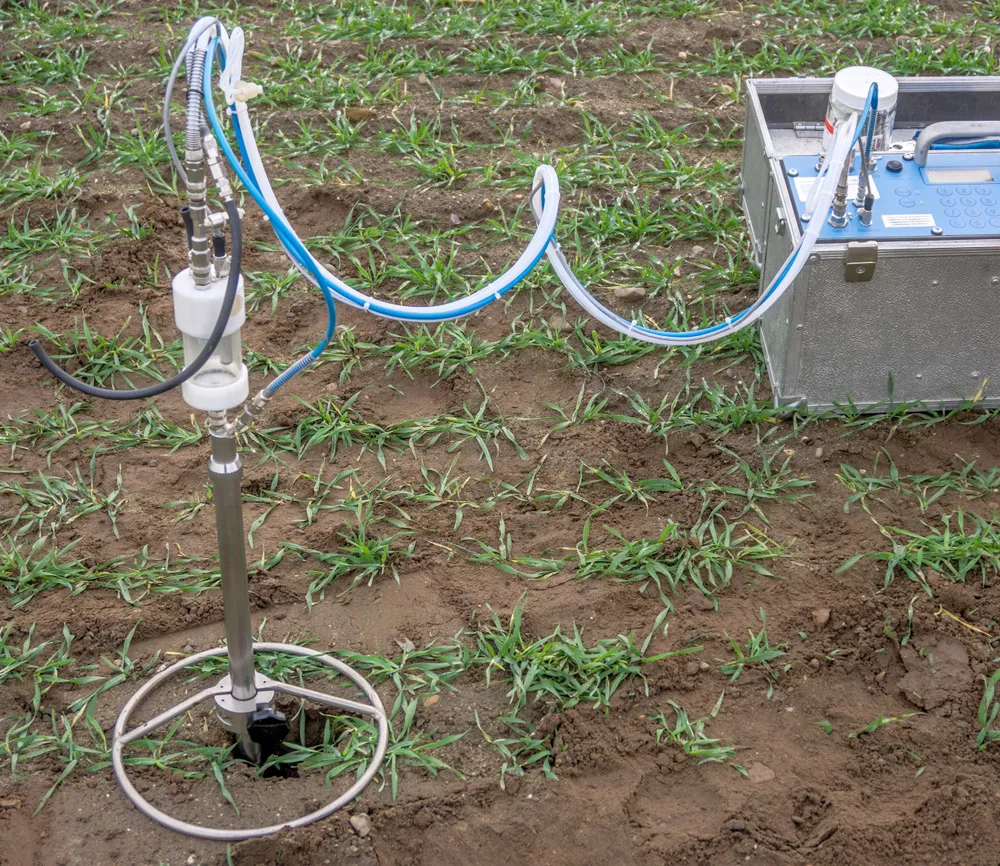
Soil gas sampling involves extracting and analyzing gas from the pore spaces within the soil beneath a proposed or existing building. This process is essential because certain subsurface contaminants, like VOCs from historical spills, methane from landfills, or naturally occurring radon, can migrate as vapors into indoor air, posing risks to occupants. Understanding these subsurface conditions early is key to enabling development.
Why it’s a game-changer for your project:
- Risk Identification: Pinpoints potential vapor intrusion concerns before construction begins, preventing costly delays and redesigns later.
- Regulatory Compliance: Helps meet local, state, and federal environmental regulations, ensuring your project moves forward smoothly.
- Informed Decision-Making: Provides data to select appropriate mitigation strategies, protecting future occupants and your investment.
- Cost-Effectiveness: Addressing potential issues upfront is significantly more efficient than remediation after a building is occupied.
The Role of Regulatory Frameworks
Navigating environmental regulations can seem complex, but they exist to create safer spaces. Agencies like the EPA, alongside state-specific environmental departments and local building codes, provide guidelines for when and how soil gas sampling should be conducted. For example, sites near former industrial operations, landfills, or areas with known radon issues often trigger requirements for comprehensive vapor intrusion assessments. Industry standards, such as those from ANSI/AARST for radon, also provide critical frameworks for best practices.
The Soil Gas Sampling Process: A Step-by-Step Overview
While specific methodologies can vary, the core principles of soil gas sampling remain consistent. Understanding these steps helps you confidently oversee or participate in site assessments.
1. Planning and Site Characterization
The journey begins with thorough planning. Industry experts will review historical site usage, geological data, and any previous environmental reports. This initial characterization helps determine potential contaminants of concern, influencing sample locations and the type of analysis needed. The goal is to define a sampling strategy that effectively covers the site and addresses specific development goals.
2. Installation of Soil Gas Probes
Temporary or permanent probes are installed into the ground at predetermined depths and locations. This usually involves drilling a small borehole, inserting a sampling tube, and sealing the annulus around the tube to prevent ambient air from diluting the sample. The depth of the probes is crucial, typically targeting the zone just above the groundwater table or below the proposed building foundation.
3. Purging and Sampling
Once installed, the probes are “purged” to remove any stagnant air and ensure a representative soil gas sample is collected. This involves drawing a small volume of gas from the probe. Following purging, a vacuum-sealed canister or syringe is connected to the probe to collect the soil gas sample. During this process, field parameters like flow rate and vacuum are carefully monitored to ensure data quality.
4. Laboratory Analysis
The collected samples are then sent to an accredited laboratory for analysis. Depending on the contaminants of concern, the lab will use specialized techniques (e.g., Gas Chromatography/Mass Spectrometry for VOCs) to identify and quantify the compounds present. This analysis provides the concrete data needed to assess risk.
5. Data Interpretation and Reporting
The final, and arguably most crucial, step involves interpreting the laboratory results in the context of the site’s characteristics and regulatory screening levels. Industry professionals translate complex analytical data into clear, actionable insights. This report will outline any identified risks, compare concentrations to relevant thresholds, and recommend next steps – which might include further investigation, vapor intrusion mitigation, or a clean bill of health.
Moving Forward with Confidence
Understanding the fundamentals of soil gas sampling empowers you to approach development projects with a strategic mindset. It’s not just about identifying problems; it’s about unlocking opportunities by gaining clarity on subsurface conditions. By proactively engaging in this process, you enable projects to advance, ensuring that environmental challenges are transformed into manageable milestones rather than project-killers.
For those navigating the complexities of environmental assessment and mitigation, partnering with experienced professionals is invaluable. Their technical confidence and nationally capable, locally grounded approach can translate intricate environmental data into clear pathways forward, creating safer spaces and securing your development’s success.