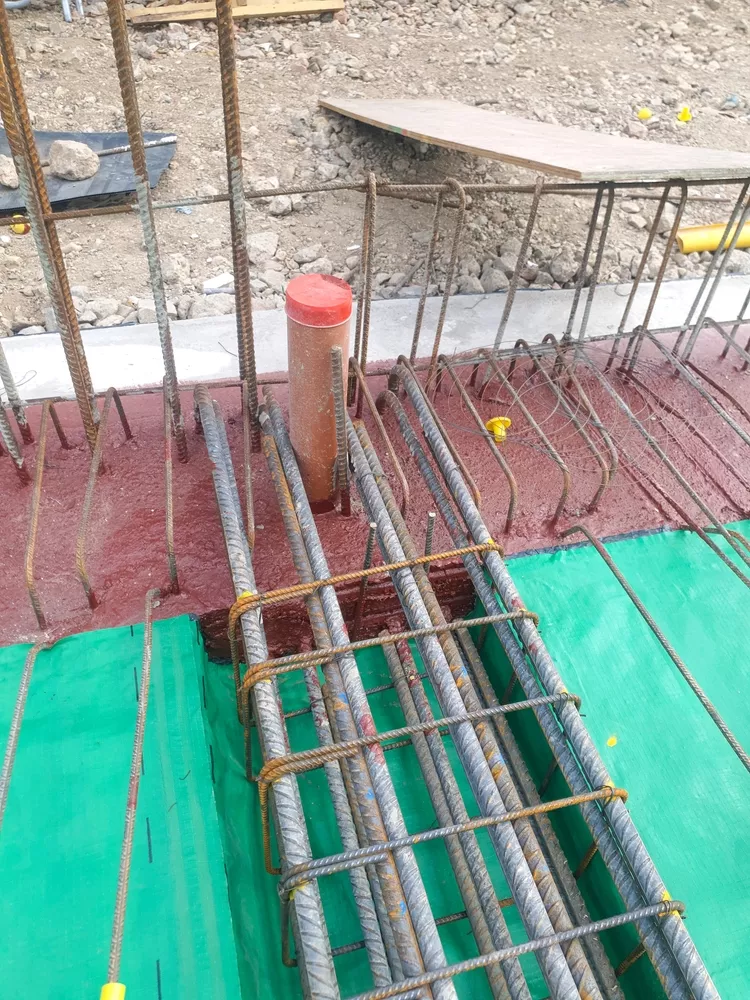
Choosing between passive and active sub-slab depressurization systems is a critical decision that can significantly impact a project’s long-term success, regulatory compliance, and indoor air quality. The optimal choice isn’t one-size-fits-all; it hinges on a strategic evaluation of factors like building design, underlying soil conditions, and the specific contaminants or gases being mitigated. Understanding these nuances will enable developers and contractors to make informed decisions, transforming potential environmental challenges into manageable milestones for development.
Understanding Sub-Slab Depressurization (SSD) Systems
Sub-slab depressurization (SSD) systems are proven engineering controls designed to prevent soil gases, such as radon, methane, and volatile organic compounds (VOCs), from entering occupied indoor spaces. These systems work by creating a negative pressure field beneath the building’s foundation, effectively drawing gases from the soil and safely venting them to the atmosphere above the building’s roofline. This process is fundamental to creating safer spaces and ensuring the health and well-being of occupants.
At their core, SSD systems consist of a network of piping installed beneath the concrete slab, connected to a vent pipe that extends through the building. The distinction between passive and active systems lies in how the airflow is driven through this piping network. Both methods aim to achieve the same outcome: reducing indoor concentrations of harmful soil gases to acceptable levels, thereby enabling development in areas that might otherwise present significant environmental hurdles.
Passive Sub-Slab Depressurization: Leveraging Natural Forces
Passive sub-slab depressurization systems rely on natural convection and wind effects to create the necessary pressure differential. These systems typically incorporate a vertical vent pipe that extends from the sub-slab aggregate, through the building structure, and terminates above the roofline. As warmer air rises within the vent pipe (stack effect) and wind passes over the pipe’s opening, a subtle suction is created, drawing gases from beneath the slab.
When Passive Systems Enable Your Project:
- New Construction Advantage: Passive systems are most effectively integrated during new construction. Planning for the vertical pipe runs and sub-slab aggregate layer is straightforward, minimizing installation costs and structural modifications.
- Lower Radon Potential: In areas with moderate to low radon potential, or where initial testing indicates levels just above action thresholds, a well-designed passive system can often be sufficient. It provides a foundational layer of protection that can be easily activated if future conditions or regulations demand it.
- Cost-Effectiveness & Energy Efficiency: Without the need for a continuously running fan, passive systems boast lower initial installation costs and virtually no ongoing energy consumption, making them an attractive option for projects seeking to optimize operational expenses.
- Future-Proofing: A significant benefit of passive systems is their “activatable” nature. They can be designed for easy conversion to an active system by simply adding an in-line fan, offering a cost-effective pathway to enhanced mitigation if future testing or regulatory changes necessitate it. This adaptability is key to unlocking long-term value.
Active Sub-Slab Depressurization: Engineered Certainty
Active sub-slab depressurization systems incorporate an electric fan or blower into the vent pipe, creating a continuous, mechanically driven suction beneath the slab. This fan operates constantly, ensuring a consistent and robust negative pressure field that actively draws gases from the soil.
When Active Systems Advance Your Development:
- High Contaminant Levels: For sites with elevated levels of radon, methane, or VOCs, active systems provide the consistent, powerful suction required to reliably reduce indoor concentrations to safe levels. This engineered certainty is paramount in high-risk scenarios.
- Challenging Soil Conditions: Projects situated on tight, clay-rich soils or highly variable fill materials often benefit from active systems. These soil types resist gas flow, making it difficult for passive systems to establish an adequate pressure field. The mechanical fan overcomes this resistance, ensuring effective mitigation.
- Regulatory Imperatives: Many state and local regulations, particularly for commercial or multi-family developments, mandate active SSD systems, especially in areas with known environmental concerns. Compliance with these drivers is non-negotiable for project approval and occupancy.
- Existing Structures & Retrofits: While possible in new construction, active systems are frequently employed in existing buildings where passive integration might be challenging or insufficient. The fan’s power can overcome architectural constraints or less-than-ideal sub-slab conditions.
- Assured Performance: Active systems offer greater control and predictability over the pressure differential, allowing for precise engineering to meet specific mitigation targets. This level of assurance is often critical for property developers and general contractors aiming for guaranteed outcomes.
Strategic Decision Framework: Choosing the Right Path
The decision between passive and active sub-slab depressurization systems is a strategic one, designed to enable your project’s success. Here’s a framework to guide your choice:
- Understand the Site Assessment: Begin with a comprehensive environmental site assessment (ESA) to accurately characterize soil gas concentrations and soil permeability. This is the foundation for any mitigation strategy.
- Evaluate Regulatory Drivers: Consult local, state, and federal regulations (e.g., EPA, ANSI/AARST standards) that apply to your specific site and building type. These mandates often dictate the minimum requirements.
- Consider Building Type and Use: Residential homes might afford more flexibility, while schools, hospitals, or large commercial properties often demand the robust, verifiable performance of active systems.
- Assess Soil Characteristics: Highly porous soils (gravel, sand) are more amenable to passive systems, while dense, impermeable soils (clay, silt) almost always require active mitigation to achieve effective depressurization.
- Long-Term Performance & Monitoring: Active systems typically offer more straightforward performance monitoring and verification. For projects requiring continuous assurance or with potential for future changes in soil gas conditions, active systems provide an advantage.
- Budget & Operational Costs: While passive systems have lower upfront and operational costs, the potential for future activation or the need for a more robust solution from the outset must be factored into the overall project budget.
By thoughtfully applying this framework, property developers, general contractors, and real estate professionals can unlock the most effective and efficient sub-slab depressurization strategy for their project. Whether it’s the quiet reliability of a passive system or the engineered certainty of an active one, the goal remains to transform environmental challenges into opportunities for safe, successful development. Industry experts are available to help navigate these complex decisions, ensuring your project moves forward with confidence and compliance.