Methane mitigation systems are engineered solutions designed to prevent hazardous methane gas from entering new buildings, thereby safeguarding occupants and property. For new construction projects, especially on sites with historical fill, landfills, or natural gas deposits, these specialized systems are not merely a compliance checkbox but a critical pathway to unlock development possibilities and ensure long-term safety and structural integrity. They transform a potential environmental challenge into a manageable milestone, enabling developers and contractors to move forward with confidence.
Understanding Methane Risks in Development
Methane (CH₄) is a colorless, odorless, and highly flammable gas that poses significant risks to new construction projects if not properly managed. Its presence in the subsurface can stem from various sources, including decomposing organic matter in former landfills, historical fill, or naturally occurring geological formations. When methane accumulates within enclosed spaces like basements, crawl spaces, or utility conduits, it can reach explosive concentrations. Beyond the immediate danger of explosion, methane can also displace oxygen, posing an asphyxiation risk in confined areas.
For developers and general contractors, identifying and addressing these risks early in the project lifecycle is paramount. Overlooking potential methane intrusion can lead to costly delays, remediation efforts, and, in severe cases, catastrophic events. Proactive assessment and the implementation of robust methane mitigation systems are essential for creating safer spaces and protecting both human life and significant investments. Industry experts emphasize that understanding the source and potential pathways of methane is the first step in designing an effective, outcomes-focused solution.
Identifying Methane Sources and Pathways
Before any design begins, a thorough site assessment is crucial. This typically involves:
- Historical Research: Reviewing past land uses to identify potential landfill sites, industrial activities, or agricultural practices that could have generated methane.
- Geological Surveys: Analyzing soil composition and subsurface geology to detect natural gas deposits or organic-rich strata.
- Soil Gas Sampling: Direct measurement of methane concentrations in the soil to quantify the risk and inform mitigation strategies. This often involves installing temporary or permanent soil gas probes to collect data over time, accounting for seasonal variations.
Methane typically migrates through porous soils and can enter buildings via cracks in foundations, utility penetrations, or even through permeable concrete. Understanding these pathways is key to designing a system that effectively blocks and safely vents the gas.
Designing Effective Methane Mitigation Systems
The design of an effective methane mitigation system is a highly specialized process that integrates engineering principles with site-specific conditions. These systems are not one-size-fits-all; they are custom-engineered to address the unique characteristics and risk levels of each development site. The goal is to create a robust barrier and a controlled pathway for methane, ensuring it never accumulates within the building envelope.
The core components of most methane mitigation systems typically include:
- Gas Collection Layer: This usually consists of a highly permeable granular material (e.g., gravel or sand) placed beneath the building’s slab, often in conjunction with a perforated pipe network. This layer acts as a preferential pathway, collecting methane before it can reach the foundation.
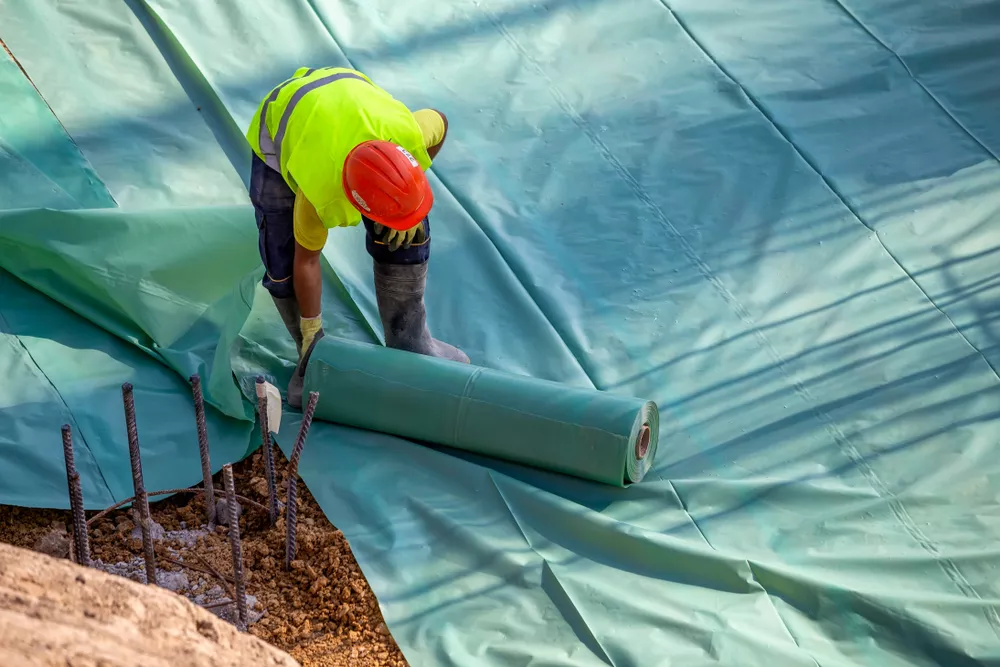
- Vapor Barrier/Gas Membrane: A high-performance, low-permeability synthetic membrane (often HDPE or LLDPE) is installed directly over the gas collection layer. This acts as a physical barrier, preventing methane from migrating upwards into the building. The integrity of this membrane, including proper sealing at all penetrations and seams, is critical.
- Ventilation System: Once collected by the gas collection layer, methane needs to be safely removed. Passive systems utilize natural pressure differentials and wind-driven turbines to vent gas to the atmosphere, while active systems employ fans or blowers to create negative pressure, drawing gas away from the building. The choice between active and passive depends on gas concentrations, site conditions, and regulatory requirements.
Key Considerations in System Design
Successful methane mitigation system design requires a holistic approach, considering several critical factors:
- Regulatory Compliance: Adherence to local, state, and federal regulations (e.g., EPA guidelines, ANSI/AARST standards) is non-negotiable. These standards dictate acceptable methane concentrations, system design parameters, and ongoing monitoring requirements. Industry experts are adept at navigating these complex regulatory landscapes, ensuring every project meets or exceeds mandated safety thresholds.
- Building Design Integration: The mitigation system must be seamlessly integrated with the overall building design. This includes coordinating with foundation layouts, utility routes, and landscaping plans to ensure optimal performance and constructability. Early collaboration between developers, architects, and mitigation specialists is essential to prevent costly redesigns.
- Durability and Longevity: Mitigation systems are designed for the long term. Materials must be resistant to environmental degradation, chemical attack from soil gases, and physical damage during construction. Proper installation techniques, including meticulous seam welding and penetration sealing, are paramount to the system’s efficacy over decades.
- Monitoring and Maintenance: Many systems, particularly active ones, require ongoing monitoring to ensure they are functioning correctly. This can involve routine inspections, pressure field extension testing, and, in some cases, continuous methane sensors. A well-designed system also considers accessibility for future maintenance.
By focusing on these principles, developers can unlock the true potential of challenging sites, transforming environmental hurdles into opportunities for safe, sustainable, and profitable new construction. This strategic approach to methane mitigation ensures that development can advance confidently, creating safer spaces for communities for years to come.