The landscape of environmental mitigation is continuously evolving, and the future of vapor intrusion mitigation is poised for significant advancements by 2026. These innovations are not just about solving problems; they’re about transforming environmental challenges into manageable milestones, enabling development, and creating safer, healthier spaces. We’re on the cusp of a new era where more sophisticated materials, real-time monitoring, targeted PFAS treatments, and predictive modeling will redefine our approach to protecting indoor air quality from subsurface contaminants.
Advanced Materials: Elevating Mitigation System Performance
The core of effective vapor intrusion mitigation often lies in the integrity and performance of its physical barriers. By 2026, expect to see a new generation of materials that offer enhanced protection, easier installation, and greater longevity, fundamentally improving how we manage subsurface vapor risks.
Smarter Membrane Technologies
Traditional vapor barriers have served us well, but the future points to materials with superior chemical resistance, puncture strength, and self-sealing capabilities. Innovations include multi-layered membranes incorporating advanced polymers that can withstand a broader spectrum of volatile organic compounds (VOCs) and even aggressive solvents. Expect to see materials with integrated conductive layers for easier post-installation testing, ensuring complete coverage and identifying potential breaches with unprecedented accuracy. These advancements will streamline quality assurance and provide greater confidence in the long-term effectiveness of mitigation systems.
Bio-Enhanced and Sustainable Solutions
Beyond synthetic membranes, research is advancing in bio-enhanced materials that can actively degrade certain contaminants. While perhaps not widespread by 2026, pilot projects and niche applications may emerge, particularly for less complex contaminant plumes. Furthermore, the industry is increasingly focused on sustainability. We anticipate the integration of recycled content into mitigation membranes and the development of materials with lower embodied carbon footprints, aligning environmental protection with broader sustainability goals. This shift enables developers to meet both regulatory requirements and eco-conscious project objectives.
Real-Time Monitoring: Precision and Proactivity
Gone are the days of solely relying on periodic sampling. The future of vapor intrusion mitigation is inherently tied to continuous, real-time data, offering immediate insights and proactive management capabilities that transform how we understand and respond to environmental conditions.
Integrated Sensor Networks
By 2026, miniature, cost-effective sensor networks will become more commonplace, allowing for continuous monitoring of sub-slab pressures, VOC concentrations, and even methane levels. These sensors can be wirelessly connected, providing data to a centralized platform accessible remotely. This allows for immediate alerts if conditions change, enabling rapid response and preventing potential exposure pathways before they become critical issues. Such systems move us from reactive problem-solving to proactive environmental management, ensuring consistent indoor air quality.
Predictive Analytics and AI Integration
The true power of real-time monitoring will be unlocked through integration with predictive analytics and artificial intelligence. AI algorithms can analyze historical data from sensors, weather patterns, building occupancy, and even local geological information to predict potential vapor intrusion events. This capability will allow developers and facility managers to fine-tune mitigation systems, optimize energy usage of sub-slab depressurization systems, and anticipate maintenance needs, turning complex data into actionable intelligence that unlocks efficiency.
Addressing Emerging Contaminants: PFAS Treatment Breakthroughs
The growing awareness and regulatory focus on per- and polyfluoroalkyl substances (PFAS) present a significant challenge. The future of vapor intrusion mitigation will increasingly incorporate strategies to address these “forever chemicals,” which often present unique challenges due to their persistence and mobility.
Advanced Oxidation Processes (AOPs)
For PFAS in groundwater and soil vapor, advanced oxidation processes (AOPs) are showing promising results. These technologies use powerful oxidants to break down the highly stable carbon-fluorine bonds characteristic of PFAS compounds. While still under development for widespread vapor intrusion applications, by 2026, we expect to see more refined, scalable AOP solutions specifically designed for treating PFAS-laden soil gas or extracted groundwater before discharge. This offers a pathway to effectively neutralize these complex contaminants, moving beyond containment to active destruction.
Innovative Sorbent Technologies
New sorbent materials are being developed that can selectively capture PFAS compounds from vapor streams. These materials, often engineered with specific pore structures and surface chemistries, offer a more efficient and targeted approach than traditional activated carbon for certain PFAS applications. The focus is on developing regenerable sorbents, reducing waste, and improving the economic viability of PFAS vapor treatment, ultimately enabling development on previously challenging sites.
Enhanced Modeling: Precision and Confidence in Design
Accurate modeling is the bedrock of effective mitigation system design. The future promises more sophisticated tools that can predict vapor migration with greater precision, reducing uncertainty and building confidence in proposed solutions.
3D Site Characterization and Digital Twins
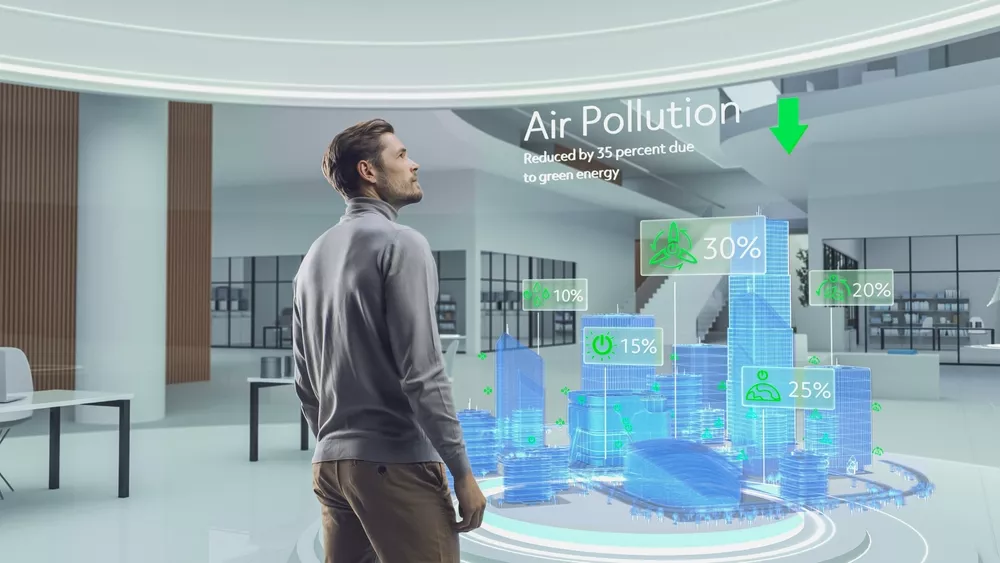
By 2026, expect to see more widespread use of 3D site characterization data integrated into advanced modeling software. This allows for the creation of “digital twins” of development sites, simulating subsurface conditions, building configurations, and potential vapor migration pathways with unprecedented detail. These models can account for varying soil types, groundwater fluctuations, and even building HVAC systems, enabling engineers to design highly optimized and cost-effective mitigation systems. This precision translates directly into more reliable outcomes and reduced project risk.
Probabilistic Risk Assessment Integration
Future modeling will move beyond deterministic predictions to incorporate probabilistic risk assessment. This means models will not just offer a single prediction but a range of potential outcomes based on various input uncertainties, assigning probabilities to each. This approach provides a more nuanced understanding of risk, allowing stakeholders to make more informed decisions and tailor mitigation strategies to specific risk tolerances. It transforms uncertainty into a manageable metric, providing clarity and confidence for complex projects.
Moving Forward with Confidence
The future of vapor intrusion mitigation in 2026 is bright, defined by innovation that transforms potential project-killers into manageable milestones. From smarter materials and real-time intelligence to targeted PFAS treatments and predictive modeling, these advancements are set to unlock new possibilities for development across diverse environments. For professionals navigating these evolving regulations and technologies, staying abreast of these innovations is crucial for enabling successful projects and creating safer, healthier indoor environments. The industry is poised to move forward with solutions that offer not just compliance, but true confidence in environmental stewardship.