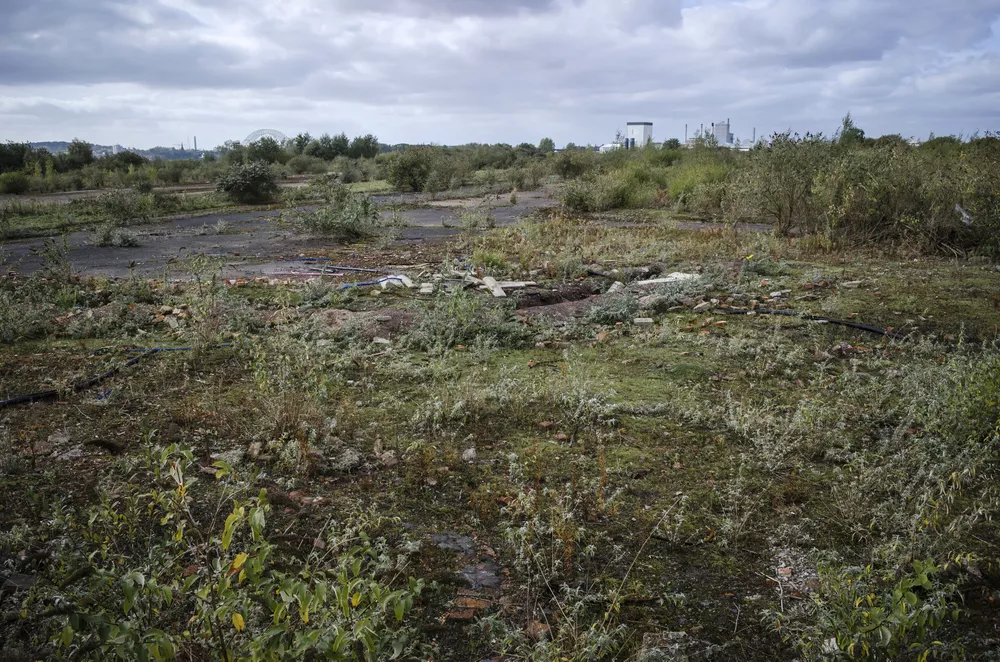
Brownfield redevelopment projects inherently introduce complexities that can significantly impact project budgets. Unexpected environmental mitigation requirements, if not addressed early and strategically, often lead to substantial increases in brownfield redevelopment costs. However, by integrating proactive environmental planning and innovative mitigation strategies from the outset, developers can transform these potential financial hurdles into manageable milestones, unlocking the full potential of these valuable sites. Early engagement with environmental experts enables a clear pathway forward, anticipating and addressing challenges before they escalate into costly delays or design overhauls.
The Hidden Contributors to Increased Brownfield Redevelopment Costs
Developers often encounter a range of environmental conditions on brownfield sites that, without proper foresight, can inflate project expenses far beyond initial estimates. Understanding these common culprits is the first step in creating a resilient budget and timeline.
Vapor Intrusion and Soil Gas Challenges
One of the most insidious and often underestimated cost drivers is the presence of volatile organic compounds (VOCs) or methane in the subsurface. These contaminants can pose significant indoor air quality risks through vapor intrusion, necessitating specialized mitigation systems. The costs associated with these systems include:
- Extensive Site Characterization: Beyond initial Phase I and Phase II assessments, detailed soil gas surveys, ambient air monitoring, and sub-slab diagnostic testing are often required to accurately delineate the extent of the problem and inform system design.
- Specialized Engineering and Design: Designing effective vapor mitigation systems (VMS) requires specific expertise in building science, contaminant transport, and engineering controls. This includes selecting appropriate barriers, ventilation systems, and monitoring protocols.
- Material and Installation Costs: High-performance vapor barriers, sub-slab depressurization systems, active ventilation, and specialized sealants add considerable material and labor costs that are not typical for greenfield developments.
- Long-Term Monitoring and Maintenance: Many VMS require ongoing monitoring, periodic testing, and potential maintenance, adding to the operational costs of the redeveloped property.
Unexpected Contaminant Remediation
While initial assessments identify contaminants, the full scope and complexity of remediation can often be a moving target. Discovery of deeper plumes, previously undetected contaminant types, or regulatory changes during the project can lead to:
- Expanded Excavation and Disposal: More extensive soil removal and off-site disposal of contaminated material than initially budgeted.
- In-Situ Treatment Technologies: Implementation of costly in-situ (on-site) treatment methods like bioremediation, chemical oxidation, or soil-vapor extraction, which require specialized equipment and long-term operation.
- Permitting and Regulatory Delays: Complex remediation plans often involve multiple regulatory agencies, leading to extended permitting timelines and associated project delays.
Regulatory Compliance and Permitting Labyrinth
Navigating the intricate web of federal, state, and local environmental regulations is a significant cost factor. Each jurisdiction may have unique requirements for brownfield sites, impacting everything from site investigation protocols to remediation standards and long-term stewardship.
- Increased Consulting Fees: The need for specialized environmental consultants to interpret regulations, prepare detailed reports, and negotiate with agencies can be substantial.
- Legal Expenses: In cases of complex liability or regulatory disputes, legal counsel can become a significant expense.
- Fines and Penalties: Non-compliance, even unintentional, can result in hefty fines and project stoppages, dramatically increasing overall brownfield redevelopment costs.
Proactive Planning: Your Strategic Advantage Against Escalating Costs
The most effective strategy for managing brownfield redevelopment costs lies in early, integrated environmental mitigation planning. Approaching environmental challenges as opportunities for strategic design and execution, rather than unavoidable burdens, empowers developers to advance their projects with confidence.
Integrating Environmental Due Diligence Early
Bringing environmental experts into the project’s conceptual phase, even before property acquisition, can be a game-changer. This early involvement enables:
- Comprehensive Risk Assessment: A deeper dive into potential environmental liabilities, allowing for more accurate financial modeling and negotiation during property acquisition.
- Feasibility Studies: Evaluating different mitigation strategies in the context of the proposed development, identifying the most cost-effective and technically sound solutions.
- Regulatory Roadmapping: Understanding the specific regulatory pathways and potential hurdles from the outset, allowing for proactive engagement with agencies.
Value Engineering for Mitigation Systems
Just as with structural or mechanical systems, environmental mitigation can be value-engineered. By collaborating closely with designers and engineers, developers can:
- Optimize System Design: Integrate mitigation components directly into the building’s foundation or infrastructure, reducing standalone installation costs. For example, a sub-slab depressurization system can be designed to share exhaust pathways with other building systems.
- Phased Implementation: Plan mitigation in phases that align with construction schedules, avoiding costly retrofits or rework.
- Material Selection: Choose durable, cost-effective, and performance-appropriate materials for vapor barriers, sealants, and other components.
The Power of a Unified Environmental Mitigation Platform
Managing multiple environmental challenges across diverse brownfield sites requires a holistic approach. Leveraging a comprehensive environmental mitigation platform can streamline processes, ensure consistency, and ultimately reduce overall project expenditures. Such a platform brings together expertise in vapor intrusion, methane, radon, and other environmental factors under one umbrella. This integrated approach minimizes the need for multiple vendors, reduces coordination complexities, and fosters a more efficient and transparent process for managing brownfield redevelopment costs. It ensures that all environmental aspects are considered synergistically, leading to more robust, compliant, and cost-effective solutions that enable development to move forward successfully.