Vapor intrusion is the movement of hazardous chemical vapors from contaminated soil and groundwater into overlying buildings. For property developers, understanding this complex environmental challenge is crucial in 2025, as it directly impacts project timelines, financial viability, and the long-term safety of occupants. Rather than a project-killer, recognizing and addressing vapor intrusion early transforms a potential obstacle into a manageable milestone, enabling smoother permitting and protecting your investment.
Unlocking the Challenge: What Exactly is Vapor Intrusion?
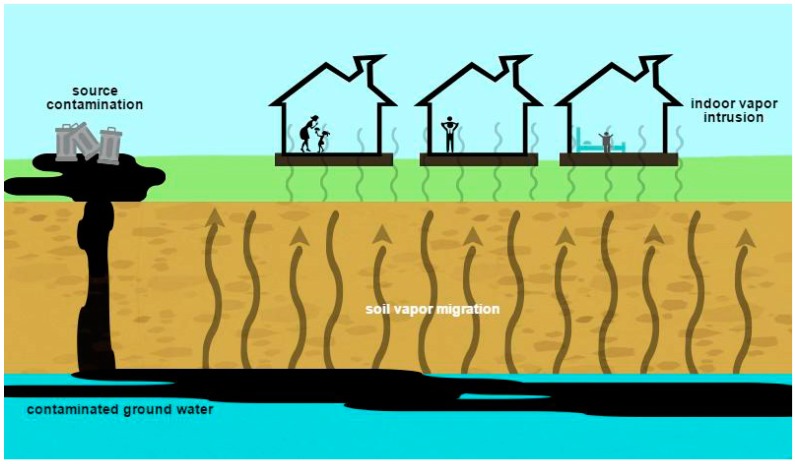
Vapor intrusion occurs when volatile chemicals, often from historical industrial activities, leaking underground storage tanks, or even natural sources, contaminate subsurface soil and groundwater. These contaminants can then volatilize (turn into gas) and migrate through the soil column. As buildings are rarely airtight, a pressure differential often draws these vapors into indoor spaces, similar to how radon gas enters homes.
The key to understanding vapor intrusion lies in recognizing the pathway:
- Source: Contaminated soil or groundwater containing volatile organic compounds (VOCs) or other hazardous substances.
- Migration: Vapors move through the unsaturated zone of the soil.
- Entry: Vapors enter a building through cracks in foundations, utility penetrations, sumps, or even porous concrete slabs.
- Accumulation: Once inside, these vapors can accumulate, potentially reaching levels that pose health risks to occupants.
Common Contaminants and Their Origins
Various volatile chemicals can become vapor intrusion concerns. Knowing their sources helps in initial site assessments:
- Chlorinated Solvents: Often used in dry cleaning, degreasing, and manufacturing. Examples include tetrachloroethylene (PCE), trichloroethylene (TCE), and vinyl chloride. These are significant concerns due to their persistence and toxicity.
- Petroleum Hydrocarbons: Found in gasoline, diesel, and crude oil. Leaking underground storage tanks (USTs) at former gas stations or industrial facilities are common sources. Benzene, toluene, ethylbenzene, and xylenes (BTEX) are key compounds.
- Methane: While often naturally occurring from decaying organic matter, it can also be a byproduct of certain industrial processes or landfills. Methane presents both health and explosion risks.
- Radon: A naturally occurring radioactive gas from the breakdown of uranium in soil and rock. While different in origin, its entry mechanism into buildings is analogous to other vapor intrusion scenarios.
Advancing Development: Why Vapor Intrusion Matters for Your Projects
For developers, vapor intrusion isn’t just an environmental concern; it’s a critical business consideration that directly influences permitting, liability, and project success. Proactively addressing it allows you to move forward with confidence, creating safer spaces and protecting your bottom line.
Navigating Permitting and Regulatory Compliance
Regulatory bodies, including the EPA and state environmental agencies, have stringent guidelines for assessing and mitigating vapor intrusion. Failure to identify and address potential vapor intrusion can halt permitting processes, leading to costly delays. Many jurisdictions require a vapor intrusion assessment as part of the due diligence for new construction or redevelopment on brownfield sites.
- EPA Guidance: The Environmental Protection Agency (EPA) provides comprehensive guidance on vapor intrusion assessment and mitigation, which often forms the basis for state-specific regulations.
- State-Specific Requirements: Regulations vary significantly by state. Some states have specific screening levels for indoor air contaminants, while others require more extensive sampling or the installation of mitigation systems pre-emptively. Understanding these nuances is vital for accurate project planning.
- Local Building Codes: Increasingly, local building codes are incorporating requirements for vapor intrusion mitigation, especially in areas with known historical contamination.
Mitigating Liability and Protecting Your Investment
Ignoring vapor intrusion risks can lead to substantial financial and legal liabilities. Property owners and developers can be held responsible for adverse health effects experienced by occupants due to indoor air contamination.
- Health Risks: Exposure to VOCs can lead to a range of health issues, from short-term effects like headaches and dizziness to long-term concerns including cancer and neurological damage.
- Property Value Impact: Properties with unaddressed vapor intrusion issues can suffer significant devaluation and become difficult to sell or lease.
- Litigation Risks: Occupants, tenants, or future property owners may pursue legal action if they discover contamination that was not properly disclosed or mitigated.
- Reputational Damage: Negative publicity surrounding environmental contamination can severely damage a developer’s reputation and future business opportunities.
Creating Safer Spaces: Strategies for Assessment and Mitigation
Approaching vapor intrusion with a solution-oriented mindset enables you to integrate assessment and mitigation seamlessly into your project lifecycle. The goal is to move beyond problem identification to implementing effective, long-term solutions.
Comprehensive Site Assessment
The first step in managing vapor intrusion is a thorough site assessment. This typically involves several phases:
- Phase I Environmental Site Assessment (ESA): Identifies potential recognized environmental conditions (RECs) based on historical records, property use, and aerial photographs.
- Phase II ESA: Involves intrusive investigations such as soil, groundwater, and soil gas sampling to confirm the presence, nature, and extent of contamination.
- Vapor Intrusion Pathway Assessment: Specific sampling of soil gas, sub-slab soil gas, ambient air, and indoor air to determine if a complete vapor intrusion pathway exists and quantify potential indoor air concentrations. Industry experts follow protocols established by the EPA and state environmental agencies to ensure data quality and regulatory compliance.
Effective Mitigation Strategies
If vapor intrusion is confirmed or deemed a significant risk, various mitigation systems can be designed and installed to prevent vapors from entering buildings. Focusing on outcomes, these solutions ensure safe indoor environments.
- Sub-Slab Depressurization (SSD) Systems: These are among the most common and effective solutions. A fan creates a negative pressure field beneath the building slab, drawing vapors from the soil and venting them safely above the roofline. This method is similar to radon mitigation systems.
- Vapor Barriers/Liners: High-performance membranes installed beneath the foundation slab or within building walls create a physical barrier to vapor entry. These must be properly sealed and durable to be effective.
- Sub-Slab Ventilation Systems: Similar to SSD, but often involves passive ventilation or forced air systems to dilute and remove vapors from beneath the slab.
- Active Soil Depressurization/Vapor Extraction: For more extensive contamination, these systems actively remove vapors from the soil over time, reducing the source of the intrusion.
- Combination Systems: Often, a combination of these approaches provides the most robust and cost-effective solution, tailored to the specific site conditions and building design.
By understanding what vapor intrusion is, why it matters, and the proven strategies to address it, property developers can unlock new possibilities. This proactive approach not only ensures regulatory compliance and mitigates risk but also enables the creation of healthier, safer, and more valuable properties. For complex environmental challenges like vapor intrusion, partnering with nationally capable, locally grounded experts provides the technical confidence and accessible pathways needed to advance your projects successfully.